Teen Money 101: A Beginner’s Guide to Mastering Financial Literacy Before Graduation
- Mr Dinero
- 20 hours ago
- 4 min read

You’re about to walk across that stage. Cap, gown, diploma in hand. You’ve mastered the Pythagorean theorem, you know that mitochondria is the powerhouse of the cell, and you can probably write a five-paragraph essay in your sleep.
But here’s the scary part: No one taught you how to pay a bill. No one explained how a credit card actually works. And no one told you that a $5 daily coffee habit can eat a hole in your future car fund faster than you can say "extra foam."
Most teens graduate into the "real world" with zero financial training. They learn by making expensive mistakes that take years to fix. You don't have to be one of them. Welcome to Teen Money 101. Let’s get you ready for life after high school.
The Hook: Why You Need to Care Now
Imagine having $1,000 in the bank by the time you graduate. Or better yet, imagine having a credit score so high that banks practically beg to give you a low-interest car loan when you’re 20.
Money isn't about being "rich." It’s about freedom. It’s about not having to say "no" to a weekend trip with friends because your bank account says $0.42. Financial literacy is the ultimate cheat code for adulthood. If you master it now, while your risks are low, you’ll be miles ahead of everyone else by the time you’re 25.
Teach: The "Needs vs. Wants" Framework
The first step to mastering money is understanding where it goes. Every dollar you spend falls into one of two buckets: Needs or Wants.
Needs: These are the non-negotiables. If you’re driving, it’s gas and insurance. If you have a phone plan, it’s the monthly bill. If you’re heading to college, it’s textbooks and dorm essentials.
Wants: This is everything else. The new video game, the takeout pizza, the designer sneakers, and the streaming subscriptions you barely watch.
The $100 Rule: Every time you receive $100 (from a job, a birthday, or a side hustle), try the 50/30/20 rule.
$50 goes to your Needs.
$30 goes to your Wants.
$20 goes directly into Savings.
If you start this habit at 17, you’ll never struggle with budgeting at 27. It’s about training your brain to see savings as a bill you pay to your future self.
Truth: Credit is a Tool, Not Free Money
This is the part where most people mess up. When you turn 18, you’ll be flooded with credit card offers. They look like free money. They aren't.

The Truth: A credit card is a high-interest loan. If you buy a $100 pair of shoes and only pay the "minimum balance," those shoes could end up costing you $250 over several years.
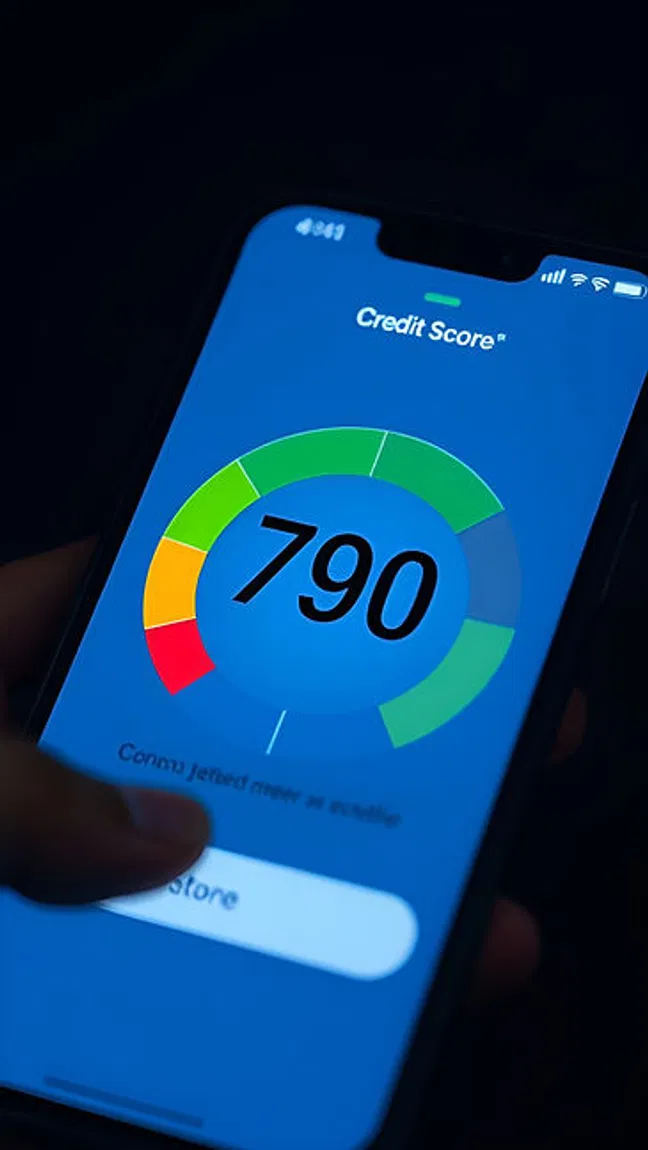
However, you need credit. A good credit score is what allows you to rent an apartment without a massive deposit or get a decent interest rate on a car. The secret? Use a credit card like a debit card. Only spend what you already have in the bank, and pay the full balance every single month. Never carry a balance. Period.
Action: Start Tracking Your "Money Leaks"
You can't manage what you don't measure. Most teens lose money through "leaks": small, recurring expenses that seem harmless but add up to hundreds of dollars a year.

Your First Mission: For one week, write down every single penny you spend. Use a note on your phone or a simple app. At the end of the week, look at the "Wants" column. You’ll probably be shocked at how much is disappearing into convenience store snacks or digital subscriptions.
If you want a structured way to handle this, we highly recommend the Teen Money Mastery workbook. It’s designed specifically for your stage of life: no boring corporate talk, just practical steps to get your finances in order before the "real world" hits.
[Image: Teen Money Mastery]Grab your copy of Teen Money Mastery here to start building your foundation.
Teach: The Power of Compounding Interest
If you learn one thing today, let it be this: Time is your greatest asset.
If you invest $100 a month starting at age 18, you will have significantly more money by retirement than someone who starts at age 30 and invests $300 a month. That’s the magic of compound interest: your money earns money, and then that money earns more money.
Even if you can only save $10 a week right now, put it in a high-yield savings account. Get used to the feeling of your balance growing without you doing any extra work.
Truth: Your Friends Aren't Your Financial Advisors
Social media makes it look like everyone your age is living a high-life. They aren't. Most of what you see on Instagram or TikTok is financed by debt or funded by parents.
Comparing your "behind-the-scenes" to someone else’s "highlight reel" will lead you to spend money you don't have to impress people who aren't looking. The wealthiest people often drive used cars and wear plain t-shirts. They prioritize owning assets, not wearing them.
Action: Set Up Your "Money Squad"
You don’t have to do this alone. In fact, you shouldn't.
Open a Savings Account: If you don't have one, get one. Look for an account with no monthly fees.
Automate It: Set up a tiny transfer (even $5) to go from your checking to your savings every week.
Check Your Recommendations: Visit our recommendations page to find the best tools for starting your journey, including the top 5 tools we always recommend.

Final Action: Ask the Expert
Money is personal. Maybe you have a specific question about your first part-time job taxes, or you’re trying to figure out how much you can afford for college.
Don't guess. Ask.
Our Ask Mr. Dinero AI Assistant is available 24/7 to give you judgment-free, instant advice on your specific situation. Think of it as a financial coach in your pocket that never sleeps.
Ready to take control? Head over to our Home Page and start a chat with Mr. Dinero today.
Graduation is just the beginning. Let’s make sure you’re walking into the future with a plan, a budget, and the confidence to handle whatever comes your way.
Follow @AskMrDinero
Facebook: facebook.askmrdinero.me
Instagram: instagram.askmrdinero.me
LinkedIn: linkedin.askmrdinero.me
Check out more resources on our blog or see our full sitemap for help navigating your financial journey.

Comments